単語と文法
単語
・東洋医学(とうよういがく) – Eastern medicine
・伝統的(でんとうてき) – traditional
・医学(いがく) – medicine / medical science
・健康(けんこう) – health
・整える(ととのえる) – to adjust / to put in order
・鍼(はり) – acupuncture /needle
・お灸(きゅう) – moxibustion
・考え方(かんがえかた) – way of thinking
・始まり(はじまり) – beginning
・気(き) – energy / life force (Qi)
・陰陽(いんよう) – yin and yang
・五行(ごぎょう) – five elements
・正しく(ただしく) – correctly
・反対(はんたい) – opposite
・力(ちから) – force / power
・保つ(たもつ) – to maintain / to keep
・内臓(ないぞう) – internal organs
・感情(かんじょう) – emotions
・発展(はってん) – development
・小柄(こがら) – small-bodied / short
・胃腸(いちょう) – stomach and intestines / digestion
・組み合わせ(くみあわせ) – combination
・薬局(やっきょく) – pharmacy
・錠剤(じょうざい) – tablet (medicine)
・体質(たいしつ) – constitution / physical condition
・原因(げんいん) – cause
・はっきりさせる – to make clear / to clarify
・薬を出す(くすりをだす) – to prescribe medicine
・治療(ちりょう) – treatment
・調子(ちょうし) – condition / rhythm
・特徴(とくちょう) – characteristic / feature
文法
・〜れる
Form:
Group 1 (Godan verbs): verb in ない-form (drop ない) + れる
Group 2 (Ichidan verbs): verb stem + られる
Group 3 (Irregular verbs): される / 来られる
Example: 漢方薬が使われています – Kampo medicine is being used
Meaning: be done (passive voice)
Explanation: Expresses that the subject is acted upon by someone or something else.
・〜ことで
Form: verb dictionary form + ことで
Example: バランスを整えることで、健康になります – By balancing the body, you become healthy
Meaning: by doing ~, through ~
Explanation: Indicates a method, means, or cause by which something happens.
・〜と考えられています
Form: clause + と + passive form of 考える(考えられている)
Example: 気はエネルギーのようなものだと考えられています – “Ki” is considered to be like energy
Meaning: is considered to be ~
Explanation: Used to express commonly held beliefs or conclusions in a neutral or objective tone.
・〜ように (変化する/なる)
Form: verb dictionary form / potential form + ように
Example: 体に合うように変化しました – It was changed to suit the body
Meaning: so that ~, in such a way that ~
Explanation: Indicates purpose, comparison, or manner. Often used to show transformation or adaptation.
・〜ていく
Form: verb て-form + いく
Example: 東洋医学は使われていきました – Eastern medicine continued to be used
Meaning: go on doing ~, begin to ~ (moving forward)
Explanation: Expresses a change or continuation of an action from the present into the future.
・〜つづける
Form: verb stem (ます-form without ます) + つづける
Example: 使われつづけています – It continues to be used
Meaning: continue to ~
Explanation: Describes an action that has been and is still being continuously performed over time.
東洋医学とは
(The version with furigana and the English translation are provided below.)
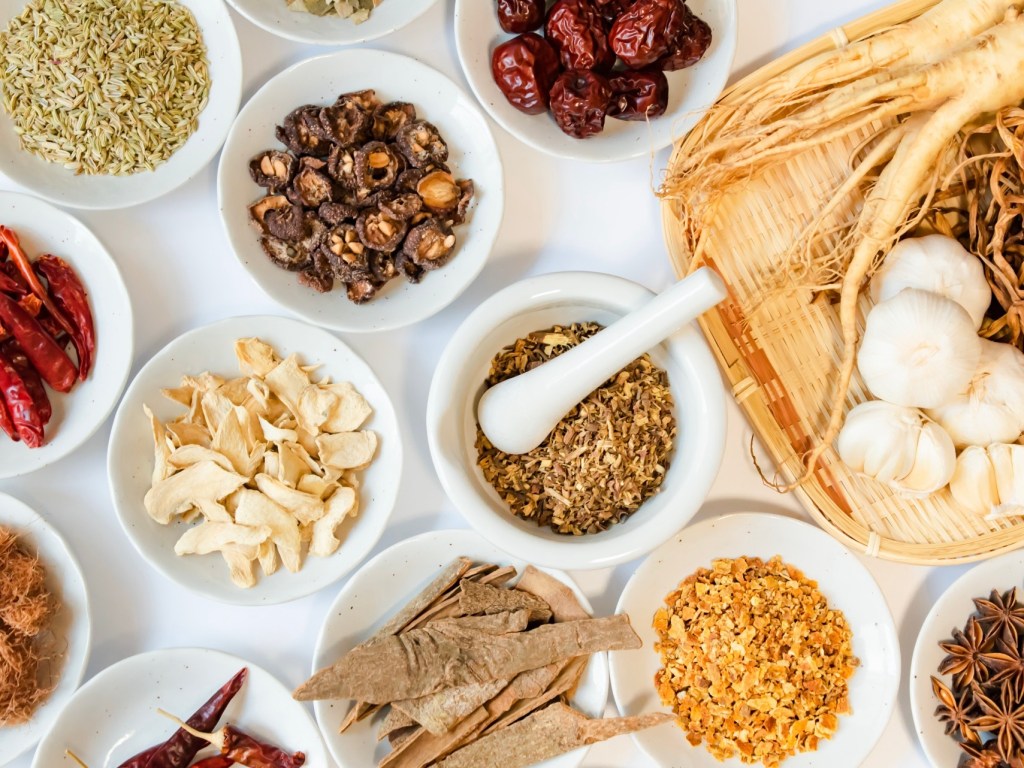
東洋医学は、中国や日本、韓国などで昔から使われている伝統的な医学です。体の中のバランスを整えることで、健康になるという考え方を大切にしています。使われるのは、薬だけではありません。鍼(はり)やお灸(きゅう)など、さまざまな方法があります。
東洋医学の始まりは中国です。2000年以上前に『黄帝内経(こうていだいけい)』という本が書かれました。この本には、東洋医学の基本的な考え方である「気(き)」「陰陽(いんよう)」「五行(ごぎょう)」などが書かれています。
「気」は体の中を流れるエネルギーのようなもので、これが正しく流れることで健康が保たれると考えられています。「陰陽」は、すべてのものにある2つの反対の力を表します。たとえば、昼と夜、熱さと冷たさ、男と女などです。これらがバランスよく保たれていると、体も心も健康でいられると言われています。「五行」は、木・火・土・金・水の5つの要素で体や自然のしくみを説明する考え方です。それぞれの要素は内臓や季節、感情などとも関係しています。
この医学は6世紀ごろに日本に伝わり、日本人の体や生活に合うように変化していきました。日本では、この東洋医学が「漢方医学(かんぽういがく)」として発展しました。日本人の体は中国人よりも小柄で、胃腸が弱い人が多いと考えられていたため、やさしい薬の組み合わせが工夫されました。江戸時代になると、町のお医者さんや一般の人たちにも広がり、漢方薬は生活の中でよく使われるようになりました。
明治時代になると、西洋医学が中心になりましたが、漢方はなくなりませんでした。今でも病院で漢方薬を使うことがあり、薬局では粉や錠剤の形で売られています。
東洋医学と西洋医学にはいくつかの大きなちがいがあります。東洋医学は体全体のバランスを見て、その人の体質に合った治療を行います。一方、西洋医学は体の一部に注目して、病気の原因をはっきりさせ、それを取りのぞくことを目指します。たとえば、風邪のとき、西洋医学では熱を下げる薬を出しますが、東洋医学では体の冷えや疲れなどを考えて、体質に合った漢方薬を使います。
このように、東洋医学は長い歴史を持ち、今でも日本の中で使われ続けています。体質やバランスを大切にし、人それぞれに合った方法で体の調子を整えるところが、東洋医学の大きな特徴です。
With Furigana
東洋医学(とうよういがく)とは
東洋医学(とうよういがく)は、中国(ちゅうごく)や日本(にほん)、韓国(かんこく)などで昔(むかし)から使(つか)われている伝統的(でんとうてき)な医学(いがく)です。体(からだ)の中(なか)のバランスを整(ととの)えることで、健康(けんこう)になるという考(かんが)え方(かた)を大切(たいせつ)にしています。使(つか)われるのは、薬(くすり)だけではありません。鍼(はり)やお灸(きゅう)など、さまざまな方法(ほうほう)があります。
東洋医学(とうよういがく)の始(はじ)まりは中国(ちゅうごく)です。2000年以上(ねんいじょう)前(まえ)に『黄帝内経(こうていだいけい)』という本(ほん)が書(か)かれました。この本(ほん)には、東洋医学(とうよういがく)の基本的(きほんてき)な考(かんが)え方(かた)である「気(き)」「陰陽(いんよう)」「五行(ごぎょう)」などが書(か)かれています。
「気(き)」は体(からだ)の中(なか)を流(なが)れるエネルギーのようなもので、これが正(ただ)しく流(なが)れることで健康(けんこう)が保(たも)たれると考(かんが)えられています。「陰陽(いんよう)」は、すべてのものにある2つの反対(はんたい)の力(ちから)を表(あらわ)します。たとえば、昼(ひる)と夜(よる)、熱(あつ)さと冷(つめ)たさ、男(おとこ)と女(おんな)などです。これらがバランスよく保(たも)たれていると、体(からだ)も心(こころ)も健康(けんこう)でいられると言(い)われています。「五行(ごぎょう)」は、木(もく)・火(か)・土(ど)・金(きん)・水(すい)の5つの要素(ようそ)で体(からだ)や自然(しぜん)のしくみを説明(せつめい)する考(かんが)え方(かた)です。それぞれの要素(ようそ)は内臓(ないぞう)や季節(きせつ)、感情(かんじょう)などとも関係(かんけい)しています。
この医学(いがく)は6世紀(せいき)ごろに日本(にほん)に伝(つた)わり、日本人(にほんじん)の体(からだ)や生活(せいかつ)に合(あ)うように変化(へんか)していきました。日本(にほん)では、この東洋医学(とうよういがく)が「漢方医学(かんぽういがく)」として発展(はってん)しました。日本人(にほんじん)の体(からだ)は中国人(ちゅうごくじん)よりも小柄(こがら)で、胃腸(いちょう)が弱(よわ)い人(ひと)が多(おお)いと考(かんが)えられていたため、やさしい薬(くすり)の組(く)み合(あ)わせが工夫(くふう)されました。江戸時代(えどじだい)になると、町(まち)のお医者(いしゃ)さんや一般(いっぱん)の人(ひと)たちにも広(ひろ)がり、漢方薬(かんぽうやく)は生活(せいかつ)の中(なか)でよく使(つか)われるようになりました。
明治時代(めいじじだい)になると、西洋医学(せいよういがく)が中心(ちゅうしん)になりましたが、漢方(かんぽう)はなくなりませんでした。今(いま)でも病院(びょういん)で漢方薬(かんぽうやく)を使(つか)うことがあり、薬局(やっきょく)では粉(こな)や錠剤(じょうざい)の形(かたち)で売(う)られています。
東洋医学(とうよういがく)と西洋医学(せいよういがく)にはいくつかの大(おお)きなちがいがあります。東洋医学(とうよういがく)は体(からだ)全体(ぜんたい)のバランスを見(み)て、その人(ひと)の体質(たいしつ)に合(あ)った治療(ちりょう)を行(おこな)います。一方(いっぽう)、西洋医学(せいよういがく)は体(からだ)の一部(いちぶ)に注目(ちゅうもく)して、病気(びょうき)の原因(げんいん)をはっきりさせ、それを取(と)りのぞくことを目指(めざ)します。たとえば、風邪(かぜ)のとき、西洋医学(せいよういがく)では熱(ねつ)を下(さ)げる薬(くすり)を出(だ)しますが、東洋医学(とうよういがく)では体(からだ)の冷(ひ)えや疲(つか)れなどを考(かんが)えて、体質(たいしつ)に合(あ)った薬(くすり)を使(つか)います。
このように、東洋医学(とうよういがく)は長(なが)い歴史(れきし)を持(も)ち、今(いま)でも日本(にほん)の中(なか)で使(つか)われ続(つづ)けています。体質(たいしつ)やバランスを大切(たいせつ)にし、人(ひと)それぞれに合(あ)った方法(ほうほう)で体(からだ)の調子(ちょうし)を整(ととの)えるところが、東洋医学(とうよういがく)の大(おお)きな特徴(とくちょう)です。
English Translation
What Is Eastern Medicine?
Eastern medicine is a kind of traditional medicine that has been used for a long time in countries such as China, Japan, and Korea. It values the idea that by adjusting the balance inside the body, people can become healthy. It is not only medicine that is used; there are also various methods such as acupuncture and moxibustion.
The beginning of Eastern medicine was in China. More than 2,000 years ago, a book called Huangdi Neijing was written. In this book, basic ideas of Eastern medicine such as Qi, Yin and Yang, and the Five Elements are written.
Qi is like the energy that flows through the body, and it is believed that proper flow of qi helps maintain health. Yin and Yang show two opposite forces that exist in everything. For example, day and night, heat and cold, man and woman. It is said that if these are kept in good balance, both body and mind can stay healthy. The Five Elements is a concept that explains the workings of the body and nature through five elements: wood, fire, earth, metal, and water. Each element is also connected to organs, seasons, and emotions.
This kind of medicine was passed to Japan around the 6th century and changed to match the bodies and lives of Japanese people. In Japan, this Eastern medicine developed as “Kampo medicine.” It was thought that Japanese people were smaller than Chinese people and often had weaker stomachs, so gentle combinations of medicine were made with care. In the Edo period, it spread to town doctors and ordinary people, and Kampo medicine came to be used often in daily life.
In the Meiji period, Western medicine became the main system, but Kampo medicine did not disappear. Even now, Kampo medicine is sometimes used in hospitals, and it is sold in pharmacies in the form of powder or tablets.
There are some big differences between Eastern medicine and Western medicine. Eastern medicine looks at the balance of the whole body and gives treatment that matches the person’s body condition. On the other hand, Western medicine focuses on one part of the body, finds the cause of the sickness clearly, and aims to remove it. For example, when a person has a cold, in Western medicine, medicine to lower the fever is given. However, in Eastern medicine, coldness in the body or fatigue is considered, and medicine that matches the person’s constitution is used.
In this way, Eastern medicine has a long history and is still used in Japan today. It values body condition and balance, and one big characteristic of Eastern medicine is to adjust the body using methods that match each person.
読解問題
記事の内容に合うのはどれですか。
1.
A. 東洋医学では、薬だけを使って治療を行う。
B. 東洋医学は現代の病院ではまったく使われていない。
C. 東洋医学は西洋医学より新しい考え方である。
D. 東洋医学では、バランスを整えることが大切にされている。
正解
D
2.
A. 「五行」は、春夏秋冬の4つの季節についての考えである。
B. 「陰陽」は、すべてのものを良いか悪いかで分ける考えである。
C. 「気」は、体の中を流れるエネルギーのようなものである。
D. 「黄帝内経」は、最近日本で書かれた医学の本である。
正解
C
3.
A. 江戸時代には、漢方医学はあまり使われていなかった。
B. 日本人の体に合うように、薬の組み合わせが工夫された。
C. 明治時代から、西洋医学だけが使われるようになった。
D. 東洋医学は中国から伝わったが、日本ではあまり変化しなかった。
正解
B
話しましょう!
- あなたは、東洋医学という言葉を聞いたことがありますか?どんなイメージがありますか?
- 記事では、東洋医学では「体のバランスを整えること」が大切だと書かれていました。あなたは、体のバランスを整えるためにしていることはありますか?
- 「気」や「陰陽」や「五行」という考え方について、どう思いましたか?どれが一番おもしろいと思いましたか?
- 記事では、漢方医学は日本人の体に合わせて変化したと書かれていました。あなたの国では、外国から来たものが自分たちの文化に合わせて変化した例がありますか?
- あなたは漢方薬を使ったことがありますか?または使ってみたいと思いますか?理由も教えてください。
- 東洋医学と西洋医学のちがいについて、あなたはどう感じましたか?どちらの方が自分に合っていると思いますか?
- 風邪をひいたとき、あなたはどんな治療をしますか?西洋医学的な方法ですか?それとも、体を温める・休むなど東洋医学的な方法ですか?
- あなたの国では、伝統的な医学(例:ハーブ、鍼、マッサージなど)はどのくらい使われていますか?
- 東洋医学の考え方(バランス、体質、自然との関係など)は、現代の生活にも合っていると思いますか?なぜそう思いますか?
- もし東洋医学と西洋医学の両方を自由に使えるなら、あなたはどんなときにどちらを使いたいですか?理由も教えてください。
English translation
Let’s talk!
- Have you heard of the term Eastern medicine before? What kind of image or impression do you have of it?
- The article says that balancing the body is important in Eastern medicine. Do you do anything to maintain your body’s balance?
- What do you think about the concepts of ki, yin and yang, and the five elements? Which one did you find most interesting?
- The article says that Kampo medicine changed to suit the Japanese body. In your country, are there any examples of foreign ideas or practices that have been adapted to fit local culture?
- Have you ever used Kampo (traditional Japanese) medicine? Or would you like to try it? Please explain why or why not.
- What do you think about the differences between Eastern and Western medicine? Which one do you feel suits you better?
- When you catch a cold, what kind of treatment do you choose? Do you prefer Western medicine, or do you do things like keeping warm and resting, which are more Eastern in style?
- In your country, how common is traditional medicine (e.g. herbs, acupuncture, massage)?
- Do you think the ideas of Eastern medicine—like balance, body type, and harmony with nature—fit modern life? Why or why not?
- If you could freely use both Eastern and Western medicine, in what situations would you use each one? Please explain your reason.
Enjoy learning!
 Nihongo Articles